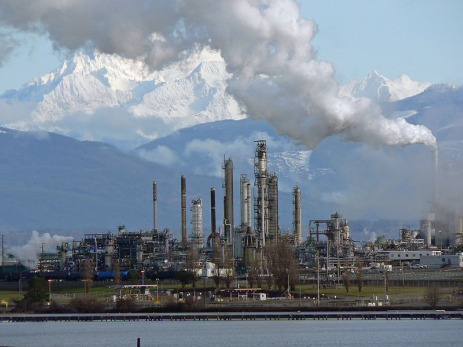
Takeaway: After carbon pricing, methane regulations are the most effective public policy to reduce greenhouse gas emissions in Canada. A great new report from the Pembina Institute shows that despite increasing gas production by 67%, B.C. was able to meet its aggressive methane emission reduction goals two years early thanks to setting clear targets and using robust, transparent data to verify emissions reductions. The Federal government needs to follow suit and work quickly to pass the much-delayed federal methane regulations in order to meet our 2030 targets. The full version: Methane is an incredibly polluting emission. When released directly into the atmosphere, it is nearly 80 times more potent and damaging over twenty years than CO2. With this in mind, we need to take methane emissions in the oil and gas industry very seriously. Canada’s oil and gas sector accounts for 40% of the country’s methane emissions. In 2023 alone, the pollution created from this methane was equivalent to 16.9 trillion litres of gasoline being consumed. Thankfully, proven and cost-effective solutions to this problem already exist and oil and gas companies have committed to near-zero methane emissions by 2030 already. As usual though, these promises alone are not enough. With clear targets and accountability prescribed by an enforcing body, these ‘hopeful’ outcomes can become sure bets. This method has been proven in B.C. already where a new report from the Pembina Institute shows that despite increasing gas production by 67%, B.C. was able to meet its aggressive methane emission reduction goals two years early thanks to setting clear targets and using robust, transparent data to verify emissions reductions. The Federal government needs to follow suit and work quickly to pass the much-delayed federal methane regulations in order to meet our 2030 targets. The need for methane emission regulations in oil and gas
Related Articles
-

MEDIA RELEASE AND VIDEO: For Mother’s Day Young Ontarians and Green Party ask for a Clean Energy Future
-
MEDIA RELEASE: Citizens Unite for Breakfast Dialogue with MPPs: A Call for Transforming Ontario’s Energy Sector
-
Transforming Ontario’s Energy Sector: Lobby preparations and then breakfast at Queen’s Park
-
Laser Talk: Carbon Pricing of Methane-fired Electricity Generation